
Hans Albers
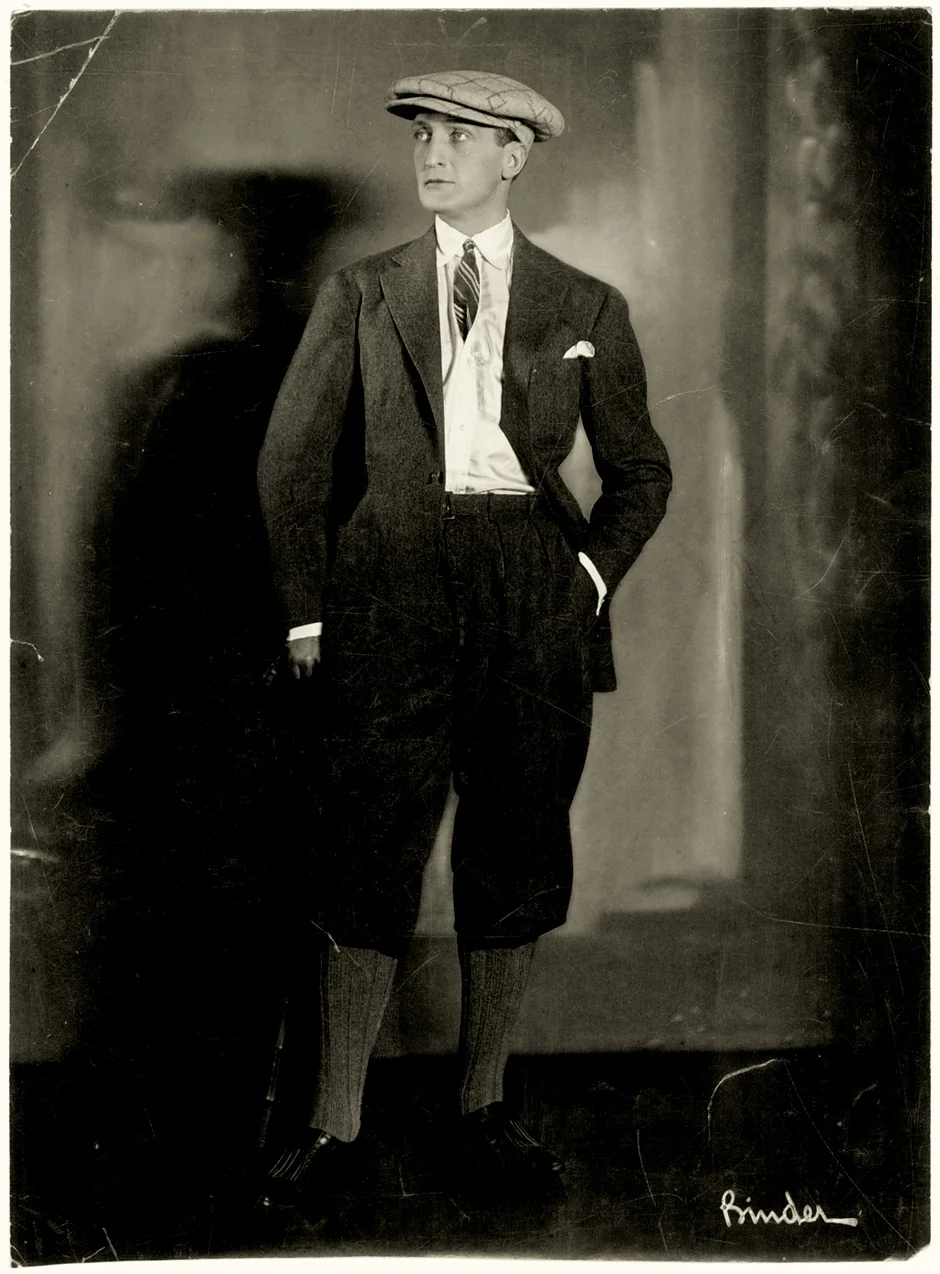
Image from Wikipedia
Image from Wikipedia
Hans Albers – The Blond Hans and the Art of the German Film and Song Myth
A Legend Between Stage, Screen, and Record
Hans Albers was much more than a famous actor: he became a cultural symbol of an entire era. Born on September 22, 1891, in Hamburg and died on July 24, 1960, in Berg am Starnberger See, he shaped German entertainment theater, sound film, and popular music for decades. As a singer and actor, he combined Hanseatic coolness with stage magnetism and became a folk idol known as the "Blond Hans." ([de.wikipedia.org](https://de.wikipedia.org/wiki/Hans_Albers?utm_source=openai))
Hamburg Origins and Early Artistic Influence
Albers came from a Hamburg artisan and merchant background. His career did not begin on glamorous premiere stages but with a commercial apprenticeship that he abandoned to dedicate himself to the theater. Early on, it became apparent that he was drawn not to the promises of bourgeois security but to the immediate impact of voice, posture, and presence. This decision marked the beginning of a career in music in the broader sense: a path in which language, song, facial expressions, and timing became inseparably intertwined. ([dhm.de](https://www.dhm.de/lemo/biografie/hans-albers?utm_source=openai))
His early successes were gathered on smaller stages, in variety shows, cabarets, revues, and operettas. German biographies emphasize that Albers initially performed as an actor, comedian, singer, dancer, compere, and acrobat. This versatility shaped his later image: he did not seem contrived but rather like a natural entertainer with a precise sense of rhythm and a rare ability to instantly connect with both the audience and his role. ([deutsche-biographie.de](https://www.deutsche-biographie.de/dbo002241.html?language=en&utm_source=openai))
The Breakthrough on Stage: Berlin as a Springboard
The real turning point in his career towards stardom came in 1928 with the role of Gustav Tunichtgut in Ferdinand Bruckner's play "Verbrecher" at the Deutsches Theater in Berlin. Several sources cite this production as an artistic breakthrough because Albers discovered the mix of raw energy, coolness, and joy of performance that would become his trademark. The Berliner Volksbühne also played a central role, especially with the title role in "Liliom," which is considered the highlight of his stage career. ([deutsche-biographie.de](https://www.deutsche-biographie.de/dbo002241.html?language=en&utm_source=openai))
For Albers, Berlin was not just a workplace but a resonance chamber where entertainment and modern urban culture overlapped. Press reactions from that time described his impact as immediate; film historical accounts highlight his confident presence, economical gestures, and feel for audience-pleasing characters. It was here that the image of an artist was shaped who not only played roles but embodied a type: the laid-back, defiant, charismatic Northern German. ([filmportal.de](https://www.filmportal.de/sites/default/files/6BA27412088243659A7B90E872ADD985_albers.pdf?utm_source=openai))
The Film Star of Sound Film and Great Popularity
With the rise of sound film, Hans Albers gained a new dimension. Particularly from the late 1920s onwards, his career accelerated, and roles alongside major stars made him internationally visible. "The Blue Angel" is regarded as a key station, even though Albers appeared only in a supporting role; nonetheless, the film was an important milestone for his further development. By the 1930s and 1940s at the latest, he was one of the most popular film artists in the German-speaking world. ([deutsche-biographie.de](https://www.deutsche-biographie.de/dbo002241.html?language=en&utm_source=openai))
Iconic works include "Große Freiheit Nr. 7" and "Münchhausen," as well as later post-war films that enabled him to continue his film career. LeMO and Wikipedia emphasize that Albers returned to the stage and before the camera after World War II, including in the very successful film "Auf der Reeperbahn nachts um halb eins" with Heinz Rühmann. These works solidified his reputation as an artist who maintained a rare balance of accessibility, timing, and melancholy. ([dhm.de](https://www.dhm.de/lemo/biografie/hans-albers?utm_source=openai))
Singing, Discography, and Musical Legacy
Although Hans Albers is primarily remembered as an actor, his discography holds a firm place in German popular culture. AllMusic, MusicBrainz, Apple Music, and German chart and discography sources list numerous reissues, collections, and historical recordings that keep his songs alive to this day. Particularly closely associated with his name is the evergreen "Auf der Reeperbahn nachts um halb eins," which became his musical signature. ([allmusic.com](https://www.allmusic.com/artist/hans-albers-mn0000551187?utm_source=openai))
The reception of his recordings shows that Albers was not perceived as a classic chanson singer in the narrow sense, but rather as an interpreter with strong character portrayal. His songs often carry the character of scenes: they resemble condensed film sequences in which voice, dialect color, and dramatic intensity come together. This is exactly what creates his lasting appeal for music lovers, collectors, and listeners interested in cultural history. ([allmusic.com](https://www.allmusic.com/artist/hans-albers-mn0000551187?utm_source=openai))
Style, Stage Presence, and Artistic Development
Albers' style was based on an extraordinary mix of nonchalance and control. His characters often seemed rough, cheeky, and unpredictable, yet precisely constructed; this impression arose from meticulous control over facial expressions, movement, and speech rhythm. Film and theater sources also emphasize his willingness to perform risky actions himself and not to be doubled. This reinforced the impression of a physical artist who did not just interpret the role but anchored it with his own body. ([ndr.de](https://www.ndr.de/geschichte/koepfe/Hans-Albers-Die-singende-Schauspiel-Legende-aus-Hamburg%2Calbers104.html?utm_source=openai))
From a music history perspective, Albers stands at an intersection between operetta, cabaret, showcase song, and early mass media star. His artistic development shows how closely entertainment, popular music, and cinema were connected in the first half of the 20th century. This is precisely where his authoritative position lies: he embodies not just a career but a media system, in which the figure of the star emerged only through the interaction of stage, film, record, and press. ([deutsche-biographie.de](https://www.deutsche-biographie.de/dbo002241.html?language=en&utm_source=openai))
Cultural Influence and Legacy
Even after his death, Hans Albers remained a reference point in German memory culture. German Biografie, LeMO, and other historical sources depict him as an artist who transcended pure entertainment and who, in his time, served as a figure of identification, projection, and myth all at once. His North German aura, the combination of sailor pathos and urban romance, as well as his unmistakable appearance, made him a cultural archetype. ([deutsche-biographie.de](https://www.deutsche-biographie.de/dbo002241.html?language=en&utm_source=openai))
Particularly the continued releases of his recordings and their presence in music archives show that his work has not vanished into the dust of history. Instead, it lives on in collections, historical editions, and streaming catalogs, remaining accessible to new listeners. Therefore, Albers belongs to those artists whose significance is not limited to one era but is continually reactivated in cultural memory. ([allmusic.com](https://www.allmusic.com/artist/hans-albers-mn0000551187?utm_source=openai))
Conclusion: Why Hans Albers Still Fascinates Today
Hans Albers is captivating because he encapsulates German entertainment history in a single figure: acting, singing, stage presence, and film myth. His career tells of ascent, adaptation, popularity, and enduring charisma. Those who experience his films and songs today encounter not a dusty monument but an artist with unmistakable energy and historical depth. A visit to his works is worthwhile not only for nostalgics but for anyone who wants to understand how a star becomes a cultural legend. ([deutsche-biographie.de](https://www.deutsche-biographie.de/dbo002241.html?language=en&utm_source=openai))
Official Channels of Hans Albers:
- Instagram: No official profile found
- Facebook: No official profile found
- YouTube: No official profile found
- Spotify: No official profile found
- TikTok: No official profile found
Sources:
- Wikipedia – Hans Albers
- LeMO / German Historical Museum – Biography of Hans Albers
- German Biography – Albers, Hans
- NDR – Hans Albers: The Singing Actor Legend from Hamburg
- Wiener Zeitung – A True Hanseatic: Hans Albers
- AllMusic – Hans Albers: Biography, Discography, Albums & Reviews
- MusicBrainz – Hans Albers
- Apple Music – Hans Albers
- germancharts.de – Discography of Hans Albers
- Wikipedia: Image and text source