
Anton Pawlowitsch Tschechow
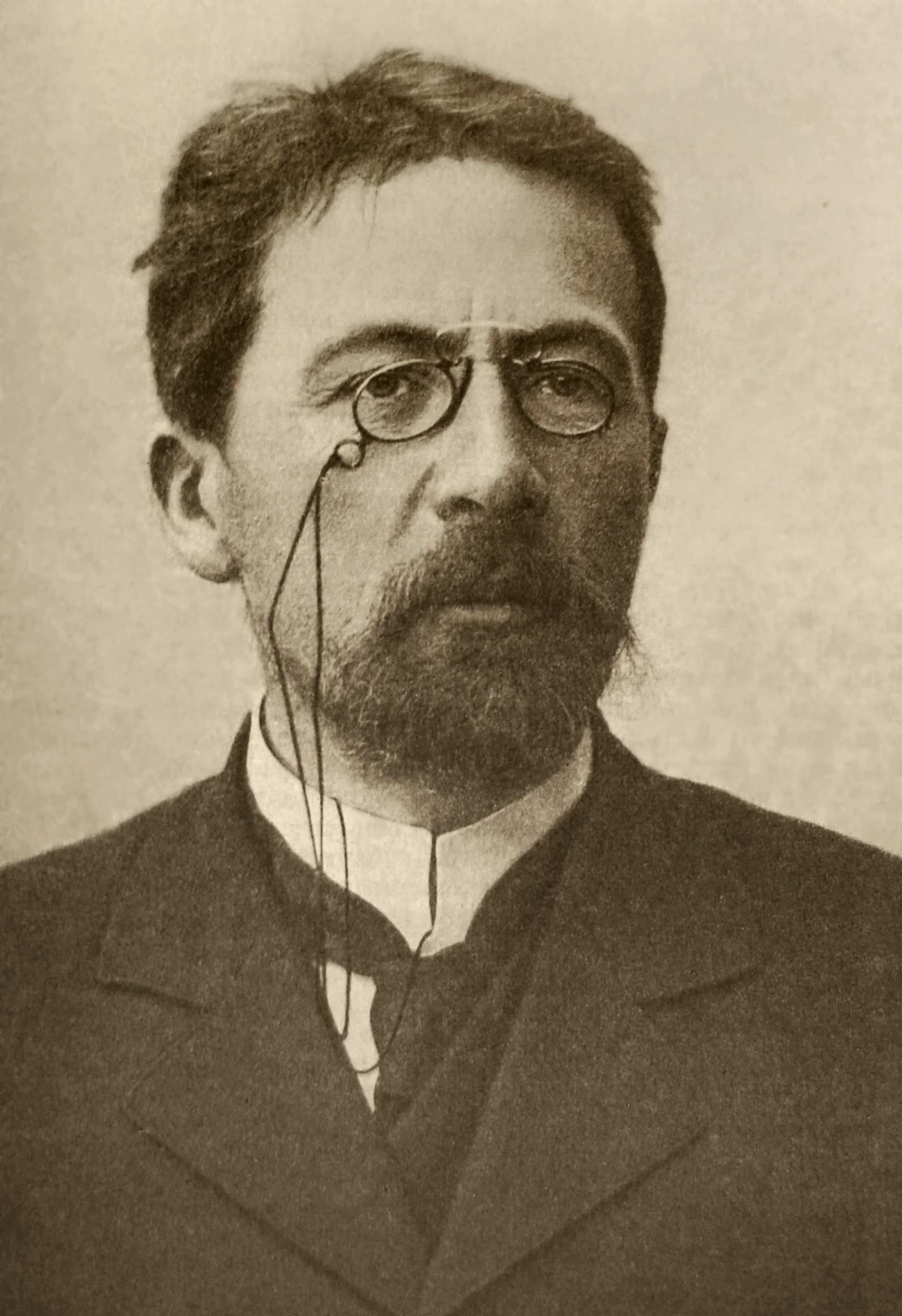
Image from Wikipedia
Image from Wikipedia
Anton Pavlovich Chekhov – the Master of Quiet Revolution in Literature and Drama
An author who shaped modernity with a keen eye and quiet force
Anton Pavlovich Chekhov is one of the most influential writers in world literature. Born on January 29, 1860, in Taganrog and died on July 15, 1904, in Badenweiler, he combined medical training, keen observation, and literary precision to create a body of work that continues to set standards today. Between 1880 and 1903, he published over 600 literary works and became internationally renowned as a playwright with pieces like The Seagull, Uncle Vanya, Three Sisters, and The Cherry Orchard. ([bibalex.org](https://www.bibalex.org/Libraries/Presentation/Static/Chekhov_Anton_eng.pdf?utm_source=openai))
Biographical roots: From everyday life in southern Russia to world literature
Chekhov came from a middle-class family in southern Russia. This background shaped his view of social milieus, familial tensions, and the often unspectacular yet deeply charged scenes of daily life. He developed early on that sober, precise, and empathetic observation that made his prose unmistakable. Instead of heroic gestures, he sought human details, the skewed perspective, and silent despair. ([en.wikipedia.org](https://en.wikipedia.org/wiki/Anton_Chekhov?utm_source=openai))
From 1884, Chekhov worked as a doctor, but he practiced medicine almost exclusively as a volunteer. This dual existence as a physician and author sharpened his perception of physical and psychological conditions, diagnosing life beyond the practice. It is precisely this connection of clinical accuracy and literary restraint that gives his work its cultural significance. ([bibalex.org](https://www.bibalex.org/Libraries/Presentation/Static/Chekhov_Anton_eng.pdf?utm_source=openai))
The literary breakthrough: From humorous sketches to grand forms
At the beginning of his career, Chekhov wrote short, often humorous prose pieces, publishing them under pseudonyms. From this early, productive writing evolved an artistic language that emphasized condensation, rhythm, and understatement. Over time, his focus shifted from satirical observations of Russian daily life to literature that discovered true drama in the seemingly unremarkable. ([en.wikipedia.org](https://en.wikipedia.org/wiki/Anton_Chekhov?utm_source=openai))
Internationally, Chekhov was primarily recognized as a playwright, yet his novellas and stories form the foundation of his fame. Scholars often refer to him as one of the most important innovators of the short story and as an author who significantly shaped the modern narrative form. His texts rely less on plot-driven tension and more on atmosphere, tone, and psychological depth. ([encyclopedia.com](https://www.encyclopedia.com/arts/encyclopedias-almanacs-transcripts-and-maps/chekhov-anton-pavlovich?utm_source=openai))
The major works: Theater as a space for psychological resonance
With The Seagull, Uncle Vanya, Three Sisters, and The Cherry Orchard, Chekhov created a dramatic universe that profoundly changed modern theater. His characters rarely act loudly; they often wait, miss each other, or speak past one another. This art of suggestion is what makes his plays central works of modern drama and opened the doors to international stages. ([encyclopedia.com](https://www.encyclopedia.com/arts/educational-magazines/seagull?utm_source=openai))
The significance of these plays lies not only in their content but also in their form. Chekhov reduced the pathos of classical theater and shifted tension to pauses, nuances, and fragmented dialogues. In doing so, he created a dramatic language that continues to challenge and inspire directors, actors, and theaters worldwide. ([encyclopedia.com](https://www.encyclopedia.com/people/literature-and-arts/russian-and-eastern-european-literature-biographies/anton-pavlovich-chekhov?utm_source=openai))
Style and signature: Accuracy over effect, silence over exaggeration
Chekhov's style is considered the epitome of literary precision. His prose and drama eschew overly obvious messages and moral teachings; instead, they draw their impact from observation, rhythm, and perspective. This restraint gives his texts an unusual depth, as they compel readers and audiences to engage in active interpretation. ([encyclopedia.com](https://www.encyclopedia.com/arts/encyclopedias-almanacs-transcripts-and-maps/chekhov-anton-pavlovich?utm_source=openai))
Particularly striking is his portrayal of the Russian provinces. Chekhov wrote about narrowness, stagnation, hope, and self-deception without showcasing his characters. The value-neutrality of his narrative voice feels modern, almost timeless, and explains why his texts are continually revisited, staged, and adapted. ([en.wikipedia.org](https://en.wikipedia.org/wiki/Anton_Chekhov?utm_source=openai))
Discography? No: The catalog of a literary exceptional artist
For Chekhov, the catalog replaces any discography. Over 600 literary works, numerous stories, novellas, and plays form a body of work that is hardly comprehensible in its density and impact. Some of the most quoted and widely received texts include his late dramas as well as key texts of short prose, which remain present in schools, universities, and theaters to this day. ([en.wikipedia.org](https://en.wikipedia.org/wiki/Anton_Chekhov?utm_source=openai))
The critical reception places Chekhov among the most significant authors of Russian literature. At the same time, he is regarded as a key figure in the development of the modern short story and psychological drama. His texts have been and continue to be read, translated, and staged worldwide; their cultural reach remains remarkably stable. ([encyclopedia.com](https://www.encyclopedia.com/arts/encyclopedias-almanacs-transcripts-and-maps/chekhov-anton-pavlovich?utm_source=openai))
Cultural influence: An author who has shaped generations of artists
Chekhov's influence extends far beyond Russian literature. Studies on reception history describe his slow but steady canonization in England, America, and other literary spaces. Even modern dramatists and storytellers have benefited from his technique of slowing down the action in favor of atmospheric and psychological accuracy. ([cambridge.org](https://www.cambridge.org/core/journals/american-slavic-and-east-european-review/article/abs/chekhovs-reception-in-england-and-america/AA66E0D752C51E80D1EE1110ADA4AA95?utm_source=openai))
For literary history, Chekhov is therefore more than a classic. He is a form innovator, whose art unfolds its greatness not in grand gestures, but in what seems secondary. This quiet radicality makes him one of the few authors who remain popular, academically canonized, and artistically inexhaustible. ([encyclopedia.com](https://www.encyclopedia.com/arts/encyclopedias-almanacs-transcripts-and-maps/chekhov-anton-pavlovich?utm_source=openai))
Current projects and new publications in the Chekhov cosmos
Although Anton Chekhov himself has not lived since 1904, his work remains the subject of current editorial and cultural-historical projects. The Anton Chekhov Foundation announced the completion of a comprehensive annotated English edition of his earliest stories, scheduled to be released in November 2025. This illustrates how vibrant the international engagement with his early work remains to this day. ([antonchekhovfoundation.org](https://antonchekhovfoundation.org/?utm_source=openai))
This ongoing editorial work is a strong sign of the author's presence today. Chekhov is not a museum name, but an active reference point for translators, theater makers, and literary scholars. His texts are continuously reinterpreted, explored, and made accessible for a contemporary audience. ([antonchekhovfoundation.org](https://antonchekhovfoundation.org/?utm_source=openai))
Conclusion: Why Chekhov continues to fascinate today
Anton Pavlovich Chekhov fascinates because he makes human uncertainty, longing, and self-deception visible with rare accuracy. His work combines literary discipline with emotional depth, which is why it remains so relevant. Those who read Chekhov or experience him on stage encounter an author who has created a lasting, worldwide impact from the quiet. ([encyclopedia.com](https://www.encyclopedia.com/arts/encyclopedias-almanacs-transcripts-and-maps/chekhov-anton-pavlovich?utm_source=openai))
A visit to his plays or a reading of his stories is always worthwhile. Chekhov opens spaces for nuances, for subtle psychological tensions, and for the beauty of what is left unsaid. It is precisely in this that his greatness lies: He remains modern because he takes people seriously without pathos. ([encyclopedia.com](https://www.encyclopedia.com/people/literature-and-arts/russian-and-eastern-european-literature-biographies/anton-pavlovich-chekhov?utm_source=openai))
Official channels of Anton Pavlovich Chekhov:
- Instagram: No official profile found
- Facebook: No official profile found
- YouTube: No official profile found
- Spotify: No official profile found
- TikTok: No official profile found
Sources:
- Wikipedia - Anton Pavlovich Chekhov
- Bibliotheca Alexandrina - Anton Chekhov
- Encyclopedia.com - Anton Pavlovich Chekhov
- Encyclopedia.com - Chekhov, Anton (Pavlovich)
- Encyclopedia.com - The Seagull
- Cambridge Core - Chekhov's Reception in England and America
- Anton Chekhov Foundation - Official Website
- Anton Chekhov Foundation - Project Announcement 2025