Black Diaspora and European Modernity in Dialogue
Date and Time
Location
Price
About this Event
Mood
Venue Type
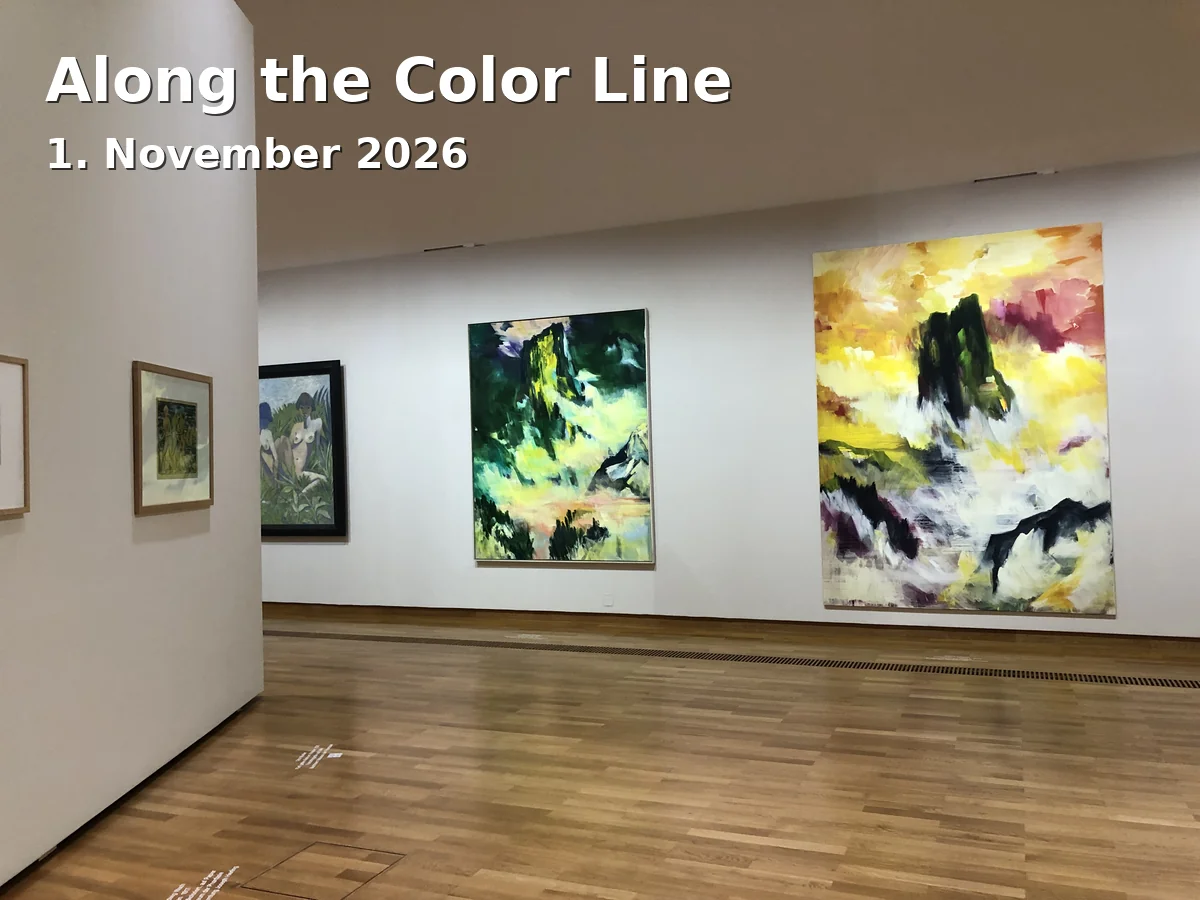
The Museum Ludwig in Cologne presents „Along the Color Line”, an interdisciplinary exhibition on the art of the international Black diaspora. The focus is on the question of how artistic positions of the Black diaspora connect with and relate to European modernity.
The exhibition opens a thematic access to art, history, and cultural relations. It views the international Black diaspora as a diverse space where different experiences, perspectives, and artistic expressions come together. It addresses the connection to European modernity and the question of how this relationship becomes visible and understandable in an exhibition.
Art of the International Black Diaspora
“Along the Color Line” is designed to be interdisciplinary and is aimed at everyone interested in modern and contemporary art, social contexts, and international cultural history. The exhibition invites visitors to reconsider familiar ideas of modernity from an expanded perspective and to rediscover the significance of Black art within this context.
As an exhibition at the Museum Ludwig, the project combines engagement with art with the special cultural environment of the Cologne museum. A visit offers the opportunity to engage deeply with the themes of the international Black diaspora and its relationship to European modernity.
Part of the Anniversary Program
The exhibition is part of the program for the 50th anniversary of the Museum Ludwig. Thus, it also reflects the history and self-understanding of the institution. The anniversary program provides the framework in which the exhibition unfolds its interdisciplinary perspective on art and cultural entanglements.
- Interdisciplinary exhibition at the Museum Ludwig
- Art of the international Black diaspora
- Relationship to European modernity
- Part of the program for the 50th anniversary of the Museum Ludwig
“Along the Color Line” is suitable for a quiet museum visit in Cologne and for anyone who wants to consider art not in isolation, but in connection with international developments and historical relationships.