
Olaf Henning
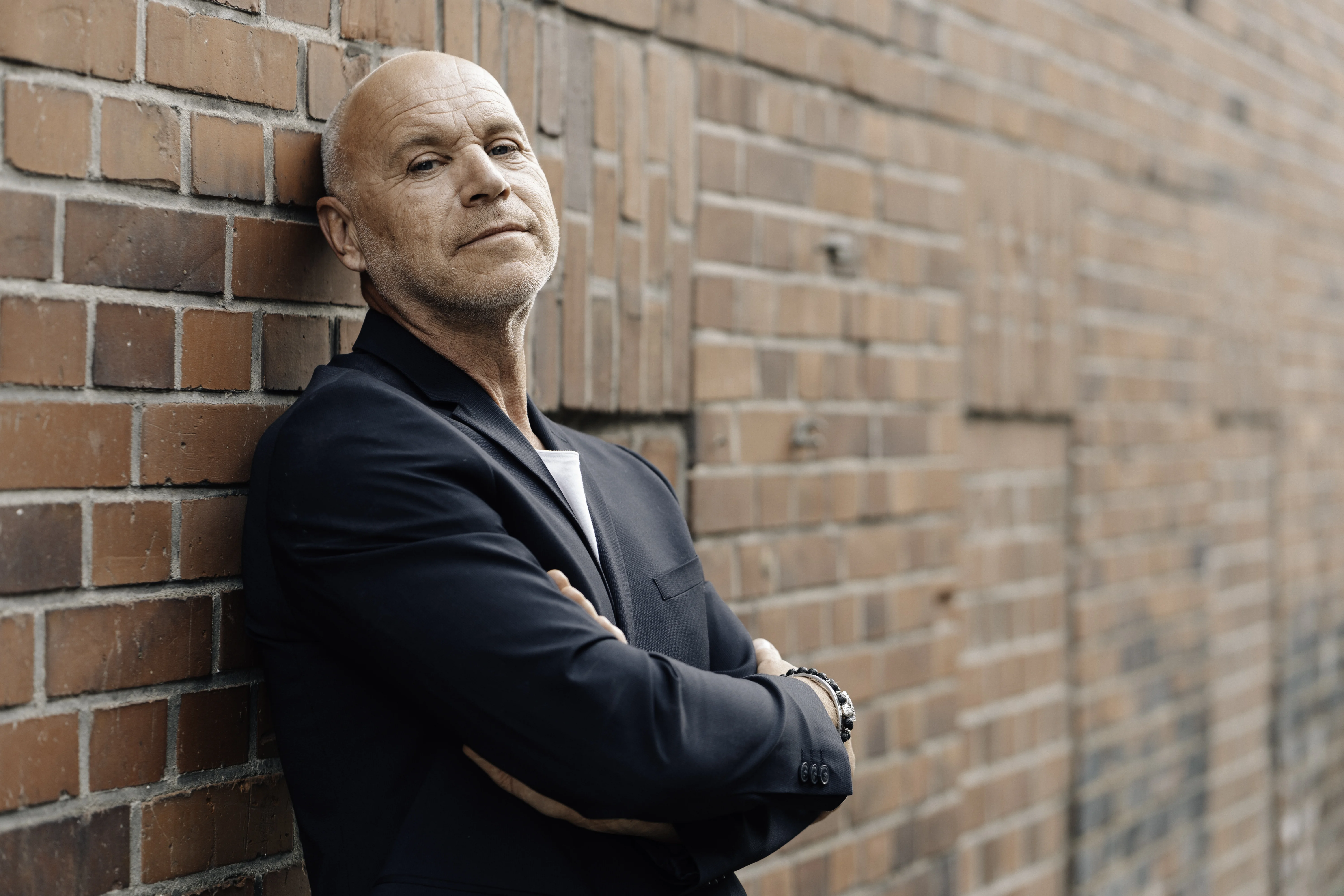
Image from Wikipedia
Image from Wikipedia
Olaf Henning: The Ruhrpott Schlager Star Between Party Culture, Earworm Magic, and Live Energy
An artist who has shaped German pop schlager with heart, humor, and recognizability
Olaf Henning, born on March 14, 1968, in Mülheim an der Ruhr, is one of the most distinctive voices in German schlager music. As a composer and singer, he has earned a firm place in the pop and schlager landscape with catchy melodies, clear danceability, and an unmistakable knack for party anthems. His career combines craftsmanship with the ability to turn a song into a collective moment on the dance floor. ([de.wikipedia.org](https://de.wikipedia.org/wiki/Olaf_Henning))
From Insurance Salesman to Hit Supplier
Before conquering the stages of the republic, Olaf Henning worked for eleven years as an insurance salesman. This unusual background continues to shape the image of the artist: down-to-earth, hard-working, and entirely focused on the song. He started taking piano lessons at an early age, formed his own band, and expanded his musical profile to include drums and vocals. From this blend of practical experience, training, and perseverance, a music career developed that emerged not from an ivory tower but from direct proximity to the audience. ([de.wikipedia.org](https://de.wikipedia.org/wiki/Olaf_Henning))
The Breakthrough with "Ich bin nicht mehr dein Clown"
His first major step into the spotlight came with the self-composed title "Ich bin nicht mehr dein Clown (The Ring is Empty)." This song not only marked the beginning of a successful career but also defined Olaf Henning's early artistic identity: melodic, immediate, singable, and infused with that mix of lightness and emotionality that makes German pop schlager especially powerful when the chorus hits immediately. Other early tracks like "Maddalena," "Alarmstufe Rot," "Herzdame," and "Blinder Passagier" solidified his profile as a hit maker. ([de.wikipedia.org](https://de.wikipedia.org/wiki/Olaf_Henning))
"Cowboy und Indianer" and the Moment When a Song Became a Movement
The sustainable breakthrough came with "Cowboy und Indianer." The title was recorded as early as 2000, but it only gained definitive traction in 2006 with the so-called lasso dance. This turned Olaf Henning into more than just a singer: he became a brand of an entire party phenomenon where dance, schlager, and event culture intertwine. With over 5,000,000 CDs sold, he is among the most successful German schlager singers, and this interplay of commercial success and audience closeness keeps his name relevant to this day. ([de.wikipedia.org](https://de.wikipedia.org/wiki/Olaf_Henning))
Discography with a Clear Handwriting
Olaf Henning's discography demonstrates remarkable consistency. Key albums include "Die Manege ist leer" (1999), "Alarmstufe Rot" (2000), "Freunde" (2002), "Jetzt oder Nie" (2013), and "Alles, was ich immer wollte" (2015). Additionally, he has released a long series of other works such as "Das Party-Album," "Best of Olaf Henning," "Echt Henning," "Das Partyalbum 4," "Das Apres Ski Album," and "Lebensecht." These releases illustrate how Henning navigates between classic schlager forms, party formats, and seasonal themes like après-ski or summer hits. ([de.wikipedia.org](https://de.wikipedia.org/wiki/Olaf_Henning))
His singles also read like a catalog of German-language party and feel-good hits: from "Das Spiel ist aus (Game Over)" to "So eine Nacht," "Durch Dick und Dünn," "Sternenhimmel," "Ich schwöre," and "Mr. Perfect." Several titles reached chart positions in Germany, Austria, and Switzerland; "Cowboy und Indianer [Hit Version]" peaked at number 6 in Germany and achieved gold status in Austria. This showcases the breadth of his reach across clubs, TV shows, Mallorca culture, and radio formats. ([de.wikipedia.org](https://de.wikipedia.org/wiki/Olaf_Henning))
Chart Successes, Awards, and Critical Reception
His accolades further emphasize his importance within the genre. Olaf Henning received, among others, the Goldene Schlagernote for "Clown," won the ZDF Hitparade in 2000 with "Game Over," was honored with the Ballermann Award, the Top of the Mountain Award, and other prizes, and in 2020 received a Spotify Award for 30,000,000 streams in the German schlager category. Such honors are not merely trophies but mark his status as a consistent crowd-pleasing artist with high reach and clear recognizability. ([de.wikipedia.org](https://de.wikipedia.org/wiki/Olaf_Henning))
The music press often describes Olaf Henning as a staple name in the party and schlager scene. The official press page of his environment emphasizes the journey from "Ruhrpott Boy" to "King of Party Hits" and highlights the impact of his songs on large audience groups. Schlager Radio categorizes him as a singer at the intersection of schlager and pop, noting his early musical foundations as well as his direct path into club culture. This reception shows: Henning's work thrives on accessibility, timing, and the instinct for the moment when a song becomes a shared experience. ([olaf-henning.com](https://olaf-henning.com/presse/))
Musical Development: Between Schlager, Pop, and Party Aesthetics
Olaf Henning's style relies on clear structures, direct hooks, and high recognizability. His compositions work with immediately understandable themes, concise choruses, and a production focused on danceability and collective energy. This is exactly where the strength of his catalog lies: he operates not in the experimental fringe but at the center of a popular schlager aesthetic designed for singability and live impact. ([de.wikipedia.org](https://de.wikipedia.org/wiki/Olaf_Henning))
It is particularly the combination of humor, everyday language, and emotional directness that gives his songs character. Whether party schlager, après-ski titles, or summery feel-good numbers: Henning knows how to transform simple imagery into musical scenes. This form of songwriting makes him relatable to a broad audience and explains why his titles have remained in the collective memory over the years. ([olaf-henning.com](https://olaf-henning.com/presse/))
Stage Presence, Live Format, and Audience Proximity
A significant part of his artistic identity lies in live presence. Henning has performed in numerous Ballermann nightclubs and also operated his own music club in Gelsenkirchen, keeping him close to the scene where his songs resonate most. The official website provides information about current dates, performances, and concerts, including a solo concert scheduled for early 2024 at Turbinenhalle 2 in Oberhausen marking his musical fresh start under new management. ([de.wikipedia.org](https://de.wikipedia.org/wiki/Olaf_Henning))
This proximity to the stage explains why Olaf Henning operates in schlager not only through recordings but through atmosphere. His shows thrive on direct engagement, collective singing, and a repertoire instantly recognizable to the audience. Especially in the party and event context, this creates the kind of impact that distinguishes a successful schlager singer from a mere studio artist. ([olaf-henning.com](https://olaf-henning.com/presse/))
Current Projects and New Releases
In 2024 and 2025, Olaf Henning remains active. His official page highlights the new single "Liebe auf Mallorca," presented as a summer song with a clear party focus. Also featured are mentions of "Traumfrau," "Liebe in den Bergen," and the re-release "Die Manege ist leer 2.0," which, according to the press, bridges the past and present. This showcases Henning as an artist who does not merely manage his success but continues to evolve it. ([olaf-henning.com](https://olaf-henning.com/))
These current releases align consistently with his profile: catchy melodies, an immediately comprehensible thematic core, and a strong focus on seasonality, celebration, and audience connection. At the same time, the involvement of new management, new songs, and recent concert dates hints at a phase in which Olaf Henning sharpens his brand with experience and relevance to the present. ([de.wikipedia.org](https://de.wikipedia.org/wiki/Olaf_Henning))
Cultural Influence and Legacy
Olaf Henning has significantly shaped German-language party schlager over many years. His name stands for songs that are not only heard but also experienced: at fairs, in clubs, in Mallorca, in après-ski environments, and at live shows. The lasso dance associated with "Cowboy und Indianer" became a pop culture moment that resonated far beyond the individual song and occupies a firm place in collective schlager memory. ([de.wikipedia.org](https://de.wikipedia.org/wiki/Olaf_Henning))
His influence lies less in stylistic radicalism than in the art of condensation. Henning bundles catchy hooks, easily accessible themes, and stage-oriented production into a format that works immediately. This is where his authority within the genre lies: he delivers not a fleeting trend but lasting schlager moments with high recognizability. ([olaf-henning.com](https://olaf-henning.com/presse/))
Conclusion: Why Olaf Henning Remains Exciting
Olaf Henning remains exciting because, like few artists, he understands the mechanics of popular schlager: a good chorus, clear imagery, immediate effect, and real stage practice. His career tells a story of perseverance, instinct for hits, and the ability to create memories from songs. Those who want to experience German pop schlager in its vibrant, audience-focused form will find Olaf Henning to be one of the most reliable names in the genre. Seeing him live means experiencing schlager as a shared experience. ([de.wikipedia.org](https://de.wikipedia.org/wiki/Olaf_Henning))
Official Channels of Olaf Henning:
- Instagram: https://www.instagram.com/olaf_henning_
- Facebook: https://www.facebook.com/olaf.henning/
- YouTube: https://www.youtube.com/channel/UCV7AJhSCaXq-lDq7C_P-cHg
- Spotify: https://open.spotify.com/artist/1hSvZI47FuIW9cvaJuL9Yu?si=mOUlVnm0Sz6ddbXTMXBXiQ
- TikTok: https://www.tiktok.com/%40olafhenning
Sources:
Upcoming Events
Fly & Help Schlagerwiesn meets Koblenzer Oktoberfest
Fly & Help Schlagerwiesn meets Koblenzer Oktoberfest
Schlager party with OLAF HENNING