
Mäc Härder
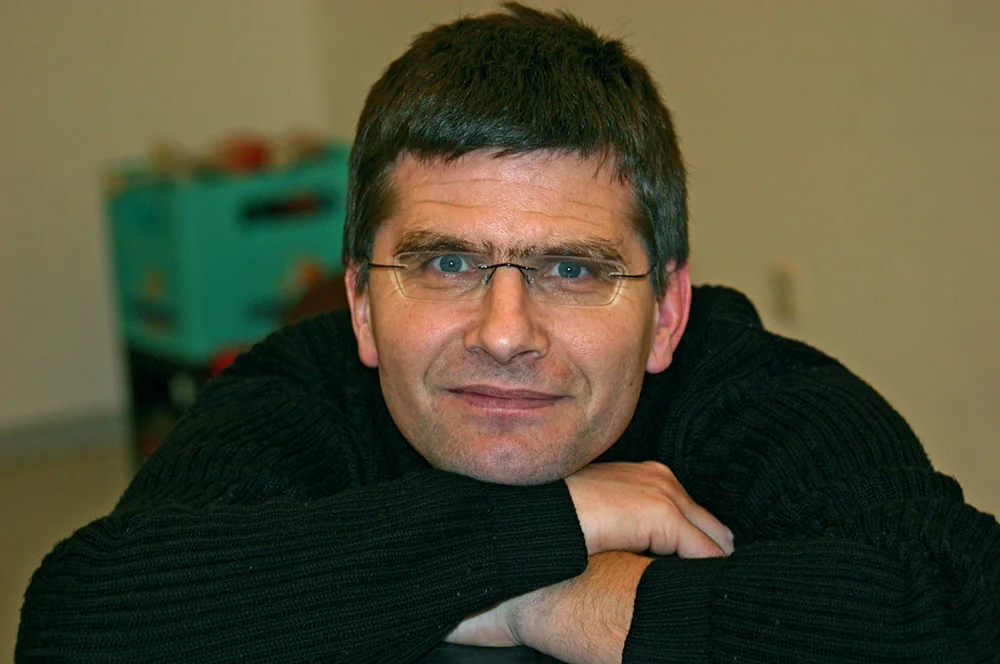
Image from Wikipedia
Image from Wikipedia
Mäc Härder – Franconian Cabaret with Wit, Acrobatic Skills, and Stage Instinct
An Artist Between Cabaret, Physical Comedy, and a Keen Sense of Home
Mäc Härder, born Manfred Härder on January 29, 1960, in Bad Neustadt an der Saale, is one of the distinctive voices of Franconian cabaret. His artistic profile combines sharp stage comedy, acrobatics, authorship, and television presence into an unmistakable mix. It is precisely this blend of verbal wit, movement precision, and regional observational skills that has made him interesting to a wide audience for decades.
His career tells not only of a cabaret artist but of a stage performer with precise timing and a strong sense of dramaturgy. Mäc Härder evolved from his first steps in study through ensemble work and solo programs to become a well-known name in the Franconian small arts scene. Throughout, he never remained merely a program maker, but shaped his own aesthetic signature that straddles satire, comedy, and artistic performance.
Biography: The Path from Study to the Stage
The foundation was laid by Mäc Härder during his studies in vocational education when he began with cabaret. This early start already shows how deeply the connection between language, observation, and public performance has influenced him. For him, cabaret was from the very beginning not just entertainment but a means to reflect social reality with humor.
From 1985 to 2000, he stood on stage with the Franconian cabaret group TBC, the Total Bamberger Cabaret, where they performed seven programs. In 1986, the group won the St. Ingbert Small Arts Pan, further solidifying the ensemble’s reputation. Simultaneously, Härder developed his solo work, which he consistently expanded after leaving TBC in 2000.
This development is typical of an artist who does not settle for a single role. Mäc Härder worked his way from group cabaret through ensemble dynamics into self-determined solo art. This is where a significant part of his artistic authority lies: he masters collective performance just as well as the concentrated solo evening.
Stage Profile: Cabaret, Comedy, and Acrobatic Skills as a Unit
His specialty is the blend of cabaret and acrobatics. This makes his performances not only linguistically but also physically striking. While many cabaret artists mainly rely on the power of words, Härder enhances the evening with movement, rhythm, and visual comedy.
This signature style is also evident in his solo programs, which often operate with a clear thematic approach. Titles such as The King of Franconia, Viva la Heimat, or We Didn’t Google, We Thought! illustrate his sharply observant, self-ironic approach to the present. His humor emerges from regional context but also from the precise exacerbation of everyday overwhelm.
Härder is particularly strong where he combines everyday observation with an almost musical sense of timing. Pauses, gestures, and pointed transitions structure his stage presence like a carefully arranged set. This results in cabaret that not only argues but also performs.
Awards and Recognition in the Cultural Scene
Mäc Härder has been awarded multiple times throughout his career. In spring 2011, he received the Franconian Cabaret Award in the Special Prize category. In November 2011, he was honored as Cultural and Creative Pilot of Germany 2011/2012 by the Federal Ministry for Economic Affairs and Technology.
Such honors document not only popularity but also cultural-political relevance. They mark an artist whose work goes beyond mere entertainment and is perceived as part of both the regional and nationwide small arts culture. He was also recognized as Artist of the Month for the Nuremberg Metropolitan Region in October 2013.
His media presence further strengthened his reputation. As a guest and host on formats of Bavarian television, including Cabaret from Franconia, Ottis Schlachthof, and Grünwald Friday Comedy, he reached an audience far beyond the small arts stage. This established Härder as a familiar television figure with regional ties and broader visibility.
Career Highlights: From TBC to Solo Programs
The years with TBC were formative, as they trained Härder artistically and instilled stage discipline. Concurrently, he began parallel solo programs as early as 1995, which consistently prepared him for his later development. The transition from ensemble member to solo cabaret artist thus did not occur abruptly but as organic growth.
His repertoire of solo programs shows a clear dramaturgy. Es kommt noch Härder, The Härder Test, Härder leben – locker bleiben!, Bamberg all inclusive, The Radishes from Above, Viva la Heimat, and You Can All Like Me! mark various stages of a continuous artistic evolution. Each program adds a new facet to his profile without losing the fundamental signature.
In 2024, his current piece Life Begins When the Dog Dies and the Kids Leave the House premiered. The title already hints at the typical Härder tone: relatable, self-ironic, observant, and precisely articulated. It is in such programs that it becomes clear how confidently he intertwines everyday comedy, generational perspectives, and stage experience.
Writing, Producing, Telling: The Author Side of Mäc Härder
In addition to performing on stage, Mäc Härder has also developed a distinct profile as an author. Since 2001, he has been writing culinary theatre pieces, including Bambolero, Viva la mama, Two Weddings and a Funeral, and Local TV. These works showcase his affinity for hybrid forms between theatre, cabaret, and narrative comedy.
His publications also document the breadth of his work. These include the CD Bloß nicht hingehn, the CD The Härder Test, the CD Härder leben – locker bleiben!, as well as DVD and book releases related to his programs. With the book In Finland, We Franconians Would Be Spaniards and the collective work The Franconian Art of Living, he expanded his artistic field towards literary observation of home.
Thus, Härder belongs to those stage artists who not only perform their material but also document it permanently. His discography and bibliography in a broader sense are expressions of a professional attitude towards his own art. From the audience's perspective, this creates a clearly recognizable body of work with a distinctive character and cultural-historical reference.
Discography and Publications: Documents of a Long Cabaret Career
Mäc Härder’s releases show the concentrated development of his career. Already in 1990, The Franconian Mafia was published as a book, followed by Bloß nicht hingehn on CD in 1992. In 1995, Denn sie wissen nicht, was sie tun was released as a video, in 2000 the CD The Härder Test and in 2006 Härder leben – locker bleiben! also as a CD.
This series is complemented by DVDs Es kommt noch Härder from 2007 and The King of Franconia from 2010. The book In Finland, We Franconians Would Be Spaniards was published in 2019, and in 2025 The Franconian Art of Living followed as a collective work with Fredi Breunig and Oliver Tissot. This publication list attests to an astonishing continuity over decades.
Anyone who wants to understand the career of a cabaret artist will find here not only titles but also developmental lines. The media formats change, but the artistic voice remains recognizable. This is what makes Härder’s work so interesting for culture enthusiasts and fans of regional stage art.
Cultural Influence: Franconia, Television, and Regional Identity
Mäc Härder is firmly rooted in Franconian culture. He was the artistic director of the street festival Bamberg zaubert and contributed to formats that bring his home environment into the public light. His programs like The King of Franconia or Bamberg all inclusive illustrate how consistently he utilizes regional identity as artistic material.
His television presence helped to make this local anchoring visible beyond the region. Formats such as Cabaret from Franconia or Ottis Schlachthof made him known to a wide audience. At the same time, he remained clearly anchored in his expression: down-to-earth, language-close, and with a fine sense of social types.
His work outside the stage also expands this cultural field. The short film Schäuferla & Ayran from 2017, a refugee story based on true events, as well as the crime-comedy project Murggs show his openness to other narrative forms. Thus, Härder is not just a cabaret artist, but a versatile cultural worker with a distinct regional signature.
Conclusion: A Stage Artist with a Unique Voice and Great Presence
Mäc Härder combines Franconian cabaret, physical comedy, and narrative precision into a stage personality developed over many years. His career thrives on consistency, versatility, and a distinctive perspective on the world. Those who experience him encounter not an interchangeable comedian, but an experienced artist with a unique language and clear stance.
He remains captivating as he combines regional observation with contemporary stage energy, infusing his programs with life, experience, and humor. Especially in a time when many stage formats rely on quick effects, Härder stands for technically strong, audience-friendly, and culturally historically rooted small arts. Those who experience him live see cabaret in its concentrated, direct, and human form as a living art form.
Official Channels of Mäc Härder:
- Instagram: no official profile found
- Facebook: no official profile found
- YouTube: no official profile found
- Spotify: no official profile found
- TikTok: no official profile found
Sources:
Upcoming Events
Cabaret Evening with Mäc Härder