
Farah Pahlavi
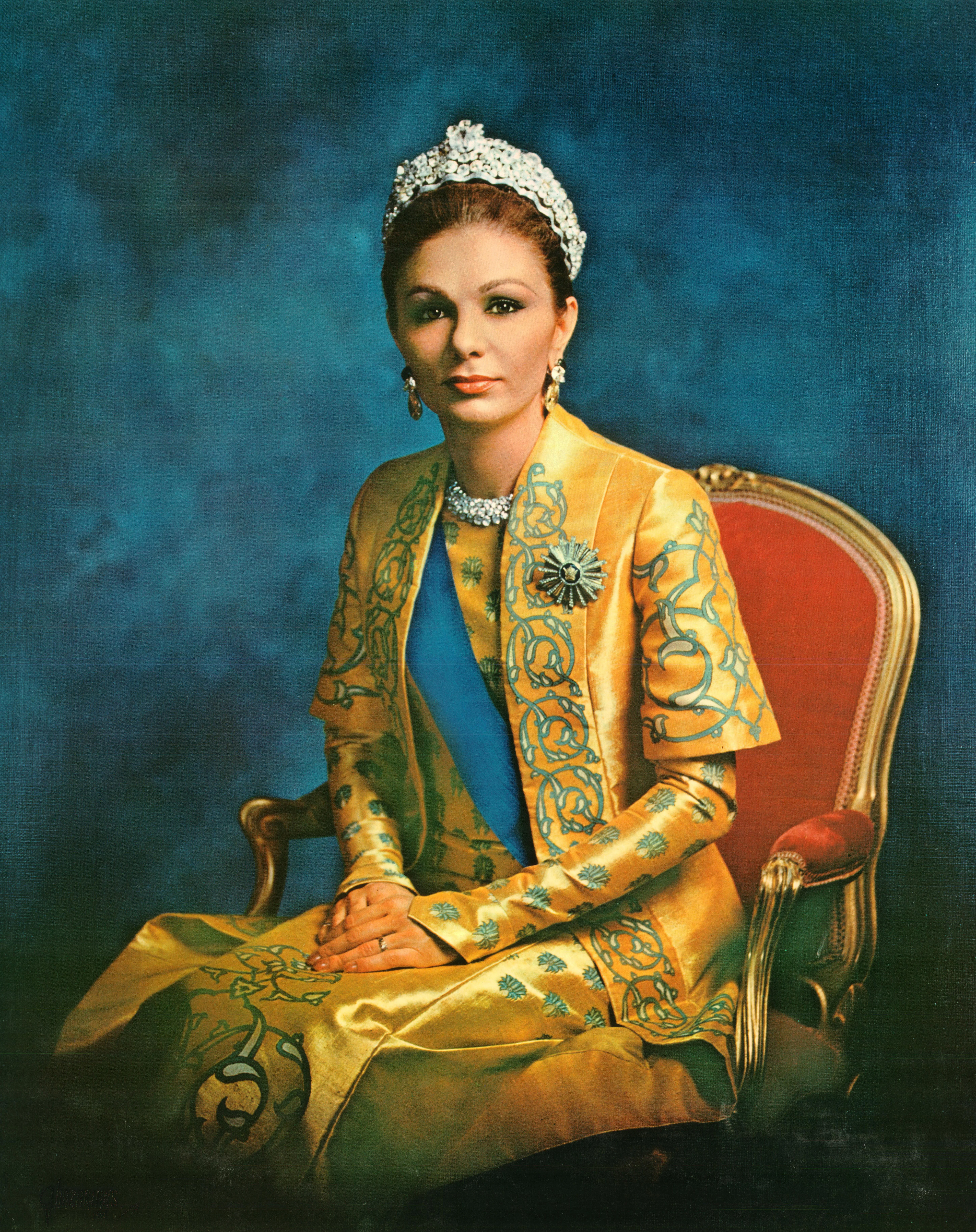
Image from Wikipedia
Image from Wikipedia
Farah Pahlavi – The Last Empress of Iran and a Pivotal Figure Between Power, Culture, and Exile
A Biography Full of Historical Breaks, Cultural Symbolism, and Political Memory
Farah Pahlavi, born on October 14, 1938, in Tehran as Farah Diba, is one of the most well-known women of modern Iran. She became queen in 1959 through her marriage to Mohammad Reza Pahlavi and was crowned empress, Shahbanu, in 1967. Her life story intertwines courtly representation, cultural promotion, political weight, and the profound cut of exile following the Islamic Revolution. ([de.wikipedia.org](https://de.wikipedia.org/wiki/Farah_Pahlavi?utm_source=openai))
Early Years in Tehran and the Path to a New Role
Farah Diba grew up in Tehran and received a modern, cosmopolitan education. The official background of her biography emphasizes the connection between education, cultural interest, and an early closeness to art and architecture. The future empress thus represented not only dynastic continuity but also the self-image of an Iran that presented itself as modern and international in the latter half of the 20th century. ([encyclopedia.com](https://www.encyclopedia.com/women/encyclopedias-almanacs-transcripts-and-maps/pahlavi-farah-1938?utm_source=openai))
Marriage to Mohammad Reza Pahlavi and Rise to Shahbanu
The wedding to the Shah on December 21, 1959, marked a turning point in her life. The official website highlights that Farah Pahlavi was studying architecture in Paris in 1959 when she was introduced to the Iranian ruler at an embassy event. With the birth of the crown prince and her subsequent crowning, her position gained a unique historical dimension as she became the first crowned empress in Iran's history. ([farahpahlavi.org](https://farahpahlavi.org/royal-wedding/?utm_source=openai))
Political Significance and Public Authority in the Empire
In the official narratives of her role, Farah Pahlavi occupies a position that goes far beyond the classical function of a monarch's wife. During her 20-year tenure as empress, she was the honorary patron of 12 art institutions and presided over 26 educational, health, sports, and cultural organizations, including non-governmental entities. The official website thereby emphasizes her function as a cultural and social hinge figure in Pahlavi Iran. ([farahpahlavi.org](https://farahpahlavi.org/fa/?utm_source=openai))
Crowning, Representation, and the Image of a Modern Monarchy
The coronation of 1967 became an iconic moment in Iranian monarchy history. Farah Pahlavi was not only instituted as empress but also as a symbol of female representation in a Muslim-dominated state that, at the time, was advocating for modernization, education, and cultural visibility. In later interviews, she describes her daily life as closely tied to the political and administrative rhythm of the court, underscoring the claim of an active, not merely ceremonial role. ([farahpahlavi.org](https://farahpahlavi.org/fa/%D8%A7%D8%B2-%D8%A7%D9%88%D9%84%DB%8C%D9%86-%D8%AA%D8%A7-%D8%A2%D8%AE%D8%B1%DB%8C%D9%86-%D8%AF%DB%8C%D8%AF%D8%A7%D8%B1%D8%9B-%D9%81%D8%B1%D8%AD-%D9%BE%D9%87%D9%84%D9%88%DB%8C-%D8%A7%D8%B2-%D9%87%D9%85/?utm_source=openai))
Exile After the Revolution and Life Beyond the Peacock Throne
The Islamic Revolution of 1979 ended the monarchical order and forced the family into exile. Since then, Farah Pahlavi has lived between Paris and Washington, as various official and press-based sources describe. Her later public presence is marked by a culture of memory, political statements, and the preservation of family heritage, not by a withdrawal from the public eye. ([farahpahlavi.org](https://farahpahlavi.org/fa/%D9%85%D8%B5%D8%A7%D8%AD%D8%A8%D9%87-%D8%B4%D9%87%D8%A8%D8%A7%D9%86%D9%88-%D9%81%D8%B1%D8%AD-%D9%BE%D9%87%D9%84%D9%88%DB%8C-%D8%A8%D8%A7-%D8%B1%D9%88%D8%B2%D9%86%D8%A7%D9%85%D9%87-%D8%A7%DB%8C%D8%AA/?utm_source=openai))
Cultural Legacy, Memoirs, and Public Self-Interpretation
Farah Pahlavi is closely associated with the cultural self-narrative of the late empire. Official and journalistic texts refer to her role as a patroness, her closeness to art and architecture, as well as her memoirs and interviews where she shares her perspective on the history of Iran. International reports about awards such as the Anne Morrow Lindbergh Grace and Distinction Award from 2005 show that her public image resonates far beyond Iranian history. ([farahpahlavi.org](https://farahpahlavi.org/fa/?utm_source=openai))
Current Presence and Continued Public Voice
The official website of Farah Pahlavi continues to publish announcements, interviews, and memorial texts up to the present day. For the year 2026, a message for the Global Day of Action and several current news and statements are listed there. This shows that Farah Pahlavi remains a historically charged voice in exile, whose words are closely followed in the Iranian diaspora and in political memory. ([farahpahlavi.org](https://farahpahlavi.org/global-day-of-action/?utm_source=openai))
Discography and Cultural Reception
Farah Pahlavi is not a musician and does not have a discography in the classical sense. Rather, her name stands for cultural patronage, public representation, and political memory, thus representing a legacy that is documented in records, interviews, memoirs, and press reports. In this broader cultural sense, her "reception" is closely linked to the image of Iran's last empress, which oscillates between admiration, critique, and historical interpretation. ([farahpahlavi.org](https://farahpahlavi.org/?utm_source=openai))
Conclusion: Why Farah Pahlavi Continues to Fascinate
Farah Pahlavi remains an extraordinarily compelling historical figure because her biography intertwines monarchy, modernity, female representation, exile, and cultural memory. She embodies the splendor of a fallen state model as well as its contradictions and open wounds. Anyone seeking to understand the political and cultural history of Iran cannot overlook Farah Pahlavi. ([farahpahlavi.org](https://farahpahlavi.org/?utm_source=openai))
Even without a musical career in the traditional sense, her public presence possesses a remarkable radiance: as a symbol, eyewitness, and storyteller of a dramatic era. For this reason, it is worthwhile to closely follow her interviews, memories, and current statements. Farah Pahlavi remains a personality whose story extends far beyond the palace and whose voice still carries historical weight. ([farahpahlavi.org](https://farahpahlavi.org/fa/%D9%85%D8%B5%D8%A7%D8%AD%D8%A8%D9%87-%D8%B4%D9%87%D8%A8%D8%A7%D9%86%D9%88-%D9%81%D8%B1%D8%AD-%D9%BE%D9%87%D9%84%DB%8C-%D8%A8%D8%A7-%D8%B1%D9%88%D8%B2%D9%86%D8%A7%D9%85%D9%87-%D8%A7%DB%8C%D8%AA/?utm_source=openai))
Official Channels of Farah Pahlavi:
- Instagram: https://www.instagram.com/shahbanou_farah_pahlavi
- Facebook: https://www.facebook.com/ShahbanouFarahPahlavi
- YouTube: No official profile found
- Spotify: No official profile found
- TikTok: No official profile found
Sources:
- Queen Farah Pahlavi Shahbanou Of Iran - Official Website
- سایت رسمی شهبانو فرح پهلوی - Official Website
- The Royal Wedding - Official Website
- Life Beyond the Peacock Throne - Official Website
- We thank you for the outpouring messages - Official Statement
- Farah Pahlavi Official YouTube Channel - No verified hit in web search
- Wikipedia: Farah Pahlavi